

Shouldn't Feel Like a Prisoner
Charli XCX follows Brat Summer with an intense collection of tortured, inward-looking pop. It's riveting, either along with or apart from the accompanying movie.

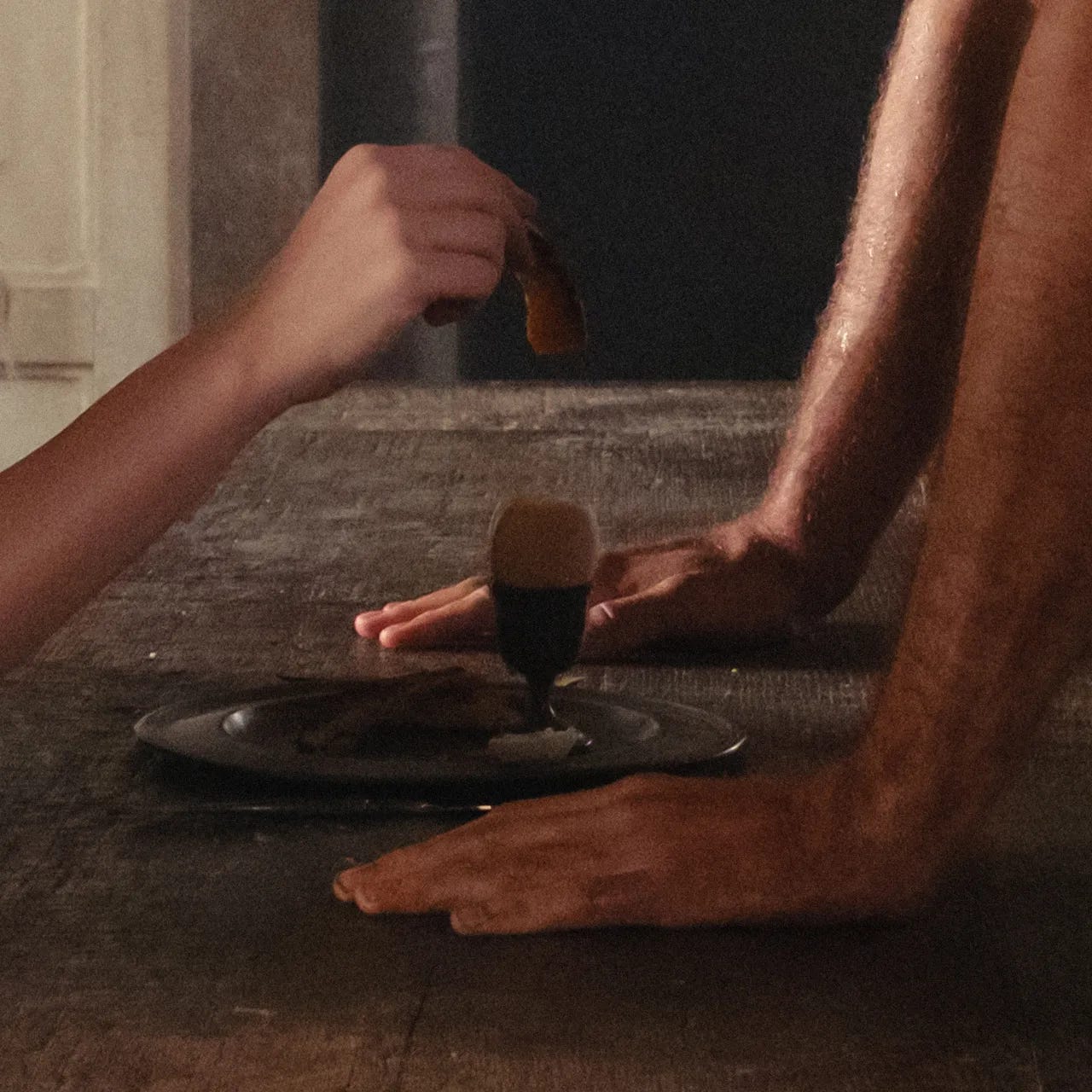
Charli XCX - Wuthering Heights
Charli XCX has spent the last couple of years interrogating various iterations of her public persona— first with her image-defining album Brat, then with the self-aware mockumentary The Moment. It makes sense that, after so much time mixing memoir and mythology, she’d find fresh inspiration and new direction in a work of pure fiction.
Of course, nothing with Charli is ever quite so simple. Her latest project is a concept album tie-in with Emerald Fennell’s Wuthering Heights adaptation; you don’t have to see the movie or even know the story to recognize Charli’s album as a hothouse of emotion, twisting and writhing with anguish and desire, its first-person narratives feeling intensely personal if not straightforwardly autobiographic.
Charli is very much still in hitmaker mode here, bringing the same steely beats and euphoric choruses that helped Brat make such a seismic impact. And yet in many ways, Wuthering Heights feels like a significant aesthetic shift, returning to some of the arthouse impulses of her earlier work. Gone is Brat’s casual, conversational tone, which has been swapped out in favor of high-stakes, life-or-death romance. Gone too is the previous album’s grubby, strobe-lights-and-nicotine aesthetic, in favor of windswept, gothic majesty— big “Kate Bush on the moors” energy.
And gone is Brat'‘s intentional thinness, its marriage of trashy pop with sterile dance beats. Wuthering Heights is lush with strings, though it’s not quite right to call them lavish or romantic. At every turn, they create a sense of unease: they crawl and scrape and carry dread, closer to a horror movie soundtrack than to a period romance. What Charli’s doing here, with words and music, is creating a haunted house, one where her narrator is trapped with her own gnawing desire, slowly being eaten alive. It’s a connection made explicit in the opening “House,” where John Cale shows up to intone craggy poetry, his voice wheezing like the walls and floorboards in an old house on a windy night. Charli joins him at the song’s end, and together they howl until the whole thing collapses.
There is masterful tonal balance to the way Charli combines artsy adornment with pulse-racing pop, resulting in an album that’s uniquely evocative while also being highly accessible. Even with their gothic costuming, the bangers on Wuthering Heights feel just as direct as the ones on Brat: Listen to how the ominous string section on “Out of Myself” bleeds into speaker-rattling synths, or to how Charli channels masochist melodrama into pure adrenaline rush on “Dying for You”— one of her best-ever pop songs.
The songs on Wuthering Heights are all about longing— it’s too bad PJ Harvey already used the title Is This Desire?, as it would have fit perfectly here— and Charli’s conclusion is that it’s a prison. She and Cale set the tone on “House,” describing passion as a lonely manor from which there is no escape. “Always Everywhere” blurs the line between love and obsession, while “Seeing Things” sinks into psychosis. “Altars” picks up the thread of romantic love as religious devotion, previously explored by Taylor Swift on “False God,” while “Chains of Love” rehearses the pained, bed-of-nails ardor of U2’s “With or Without You.” References to bondage and masochism crop up nearly as often as the first-person pronouns.
The naked yearning is borderline oppressive, yet there are moments of relief: In “Dying for You,” a lifetime of longing is redeemed by the arrival of a singular Beloved, someone who brings clear and sudden direction to the narrator’s mixed-up feelings. It’s the album’s best song, the one where Charli’s romantic and erotic themes stake a claim on spiritual ground. There’s a glimmer of hope in “Funny Mouth,” too— and fittingly enough, it’s found in a paraphrased lyric from The Smiths.
All of this is reflected in Charli’s singing. Never one to shy away from vocal processing, Charli has occasionally used digital effects as a way of hiding. Here, she employs vocal effects to simulate distortion, confusion, and even transfiguration. Not for nothing, there are also a few songs here (“Chains of Love,” “Eyes of the World”) where she really belts, revealing a vocal power that Brat mostly obscured.
Given the ongoing ripples of the Brat era, it’s hard to resist making a direct comparison. Brat is emotionally broader and more multi-faceted; Wuthering Heights is intentionally narrower but more intense, a deep dive into that place where love, lust, and spiritual longing meet. It only confirms Charli XCX as one of our premier pop auteurs.
My rating: 8 out of 10.